
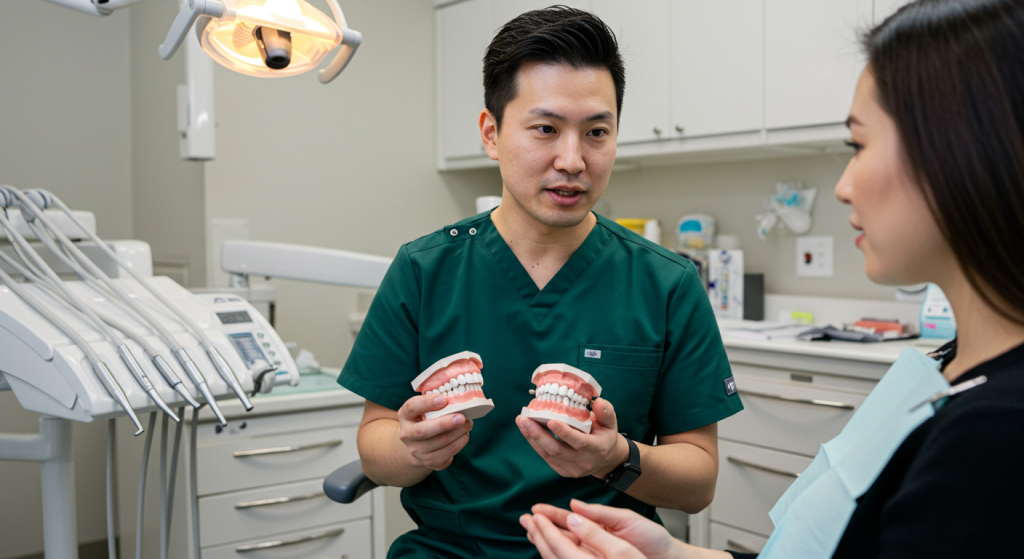
If you want a brighter, more balanced smile that still looks like you, veneers can be a precise way to correct colour, shape, spacing, and minor chips while preserving healthy tooth structure. At Fairfield Medical and Dental Clinic in Kuala Lumpur, patients often ask whether composite veneers or porcelain veneers will look more natural. The short answer is that both can achieve lifelike results when planned well, but they differ in how they are made, how they wear, and how quickly you can complete treatment. Authoritative dental bodies describe two main categories of veneers and outline their typical strengths, including ease of same day placement for composites and enhanced stain resistance for porcelain.
In simple terms, composite veneers are artistically layered and polished chairside in one visit, which makes them efficient and conservative, and they can be refined or repaired later if needed. Porcelain veneers are custom ceramic shells that are fabricated outside the mouth and then bonded in a subsequent visit, which supports excellent polish retention and colour stability over time. Evidence summaries and clinical reviews report strong survival for ceramic veneers over many years, while modern resin composites also perform reliably when case selection and technique are appropriate.
In this guide, we will compare look and feel, tooth preparation, longevity, maintenance, cost, and speed to help you decide which option best fits your goals for a natural smile.
Composite Veneers vs Porcelain Veneers: Key Differences to Consider
When choosing between composite veneers and porcelain veneers, understanding the key differences in their composition, application, and performance is essential for selecting the option that best meets your needs. Both options can provide a natural-looking smile, but each comes with its own set of advantages and considerations.
1. Material and Aesthetics
Composite veneers are made from a tooth-coloured resin that is directly sculpted onto your teeth during a single visit. The resin can be layered and shaped to match the contours and colour of your natural teeth. This allows for a high level of customization and immediate results, with minimal tooth reduction required. However, composite veneers tend to be less stain-resistant than porcelain and may require more frequent touch-ups over time to maintain their appearance.
On the other hand, porcelain veneers are custom-made from high-quality ceramic material and are crafted in a dental lab. The process typically requires two visits: one for preparation and impressions, and a second for bonding the final veneers. Porcelain is known for its superior stain resistance and longevity, as well as its ability to mimic the natural light reflection of teeth. Porcelain veneers also tend to have a more lifelike and glossy appearance compared to composite.
If you’re looking for long-term durability and a high level of stain resistance, Porcelain Veneers are a popular choice among patients. However, if you want a quicker, more affordable solution, Composite Veneers might be the ideal option for you.
2. Procedure and Timeframe
The procedure for composite veneers is generally quicker than for porcelain veneers. With composite, your dentist will apply the material directly to your teeth, shaping it to fit your smile in one appointment. No temporary veneers are needed, and you can leave the clinic with your new smile the same day.
Porcelain veneers, however, require more time and preparation. After your dentist prepares your teeth, they will take impressions, and the custom veneers will be fabricated in a dental lab. This typically takes one to two weeks. During this time, temporary veneers may be placed to protect your teeth. The final step is the bonding of the porcelain veneers, which can take another appointment.
If you are looking for quick smile transformations, composite veneers offer the benefit of a single-visit procedure. However, if you are willing to wait for a longer-lasting, highly polished finish, porcelain veneers may be the right choice for you.
3. Longevity and Durability
In terms of durability, porcelain veneers are the clear winner. They are highly resistant to wear, staining, and chips. With proper care, porcelain veneers can last anywhere from 10 to 15 years or more. Porcelain is also a very strong material, making it ideal for those who want a durable solution for significant cosmetic issues.
Composite veneers, although more affordable, generally have a shorter lifespan. They can last anywhere from 5 to 7 years, depending on how well they are cared for and the amount of stress they are exposed to. Over time, composite veneers may be more prone to staining and minor chipping, especially if you consume staining foods and drinks like coffee or wine.
To enhance the lifespan of both types of veneers, good oral hygiene practices are essential. Regular brushing, flossing, and visits to your dentist for cleanings will help maintain both porcelain and composite veneers.
If you’re looking for long-term durability, porcelain veneers provide a strong, long-lasting option. But if you prefer a more affordable, customizable solution that can be repaired easily, composite veneers might be the better choice for you.
How To Choose For A Natural Look, Preparation, Maintenance and Cost
A natural smile depends on how well veneers mimic enamel in colour, translucency and surface texture, as well as how much healthy tooth is preserved and how easily your result can be maintained. Porcelain veneers are made from layered ceramics that hold their gloss and colour very well, which is why many patients choose our Porcelain Veneers, The Fairfield Porcelain Series when long term polish and stain resistance are top priorities. Independent summaries report high survival over many years for porcelain laminate veneers, which supports their reputation for stability.
Composite veneers are artistically built directly on the tooth using the same advanced resin family found in our Tooth Coloured Fillings Composite. Because everything is sculpted chairside, we can micro adjust shape and characterisation on the spot, which often produces a very natural result in one visit. Authoritative organisations describe resin composites as reliable direct materials when used appropriately, which is why they remain a conservative option for quick aesthetic upgrades.
Tooth Preparation and Reversibility
For many cases, composite veneers can be placed with minimal reshaping, which helps preserve enamel. Porcelain typically requires a little more controlled preparation so there is room for the ceramic shell and a seamless finish. National health guidance explains that to fit a veneer the front of the tooth is reduced slightly, then the restoration is bonded to the surface, which aligns with our own clinical planning for enamel preservation. You can read more in NHS dental veneers guidance. nhs.uk
Maintenance, Stain Control and Repairs
Porcelain keeps its shine and colour well, which reduces maintenance to routine hygiene visits. Composite can pick up surface stains sooner, especially with coffee, tea or smoking, but it is also easy to refresh and repair in clinic. Many patients brighten their overall shade first, then match veneers to that colour. If you are considering shade harmony or touch ups, explore Professional Teeth Whitening, and review safety basics in the ADA whitening overview. For localised white spots that show through thin enamel, microinvasive treatment like resin infiltration can help in selected cases, which is discussed in this peer reviewed overview of resin infiltration for white spot lesions.
Cost and Timeline in Real Life
Composite is usually the faster and more budget friendly route because it is completed in a single visit, with no lab fee. Porcelain involves lab fabrication and two visits, which typically increases cost but adds long service life. Long term reviews report ten year survival for porcelain veneers in the mid to high ninety percent range in many cohorts, which helps explain the value over time. See this systematic review of porcelain laminate veneer survival for context.
FAQ
What is the main difference between composite and porcelain veneers?
The main difference between composite and porcelain veneers is the material used and the method of application. Composite veneers are made of tooth-coloured resin that is applied directly to your teeth in a single visit, whereas porcelain veneers are custom-made ceramic shells crafted in a dental lab and bonded to your teeth over two visits. Porcelain veneers are more durable and stain-resistant, while composite veneers offer a quicker, more affordable solution with the possibility for repairs.
Which type of veneer looks more natural?
Both composite and porcelain veneers can provide natural-looking results, but porcelain veneers often mimic the translucency and light-reflecting properties of natural teeth more effectively. Composite veneers, while customizable, may not have the same level of sheen and long-term stain resistance as porcelain. However, composite veneers can still be sculpted to achieve a beautiful and lifelike appearance, especially when applied by an experienced dentist.
How long do composite and porcelain veneers last?
Porcelain veneers are highly durable and can last anywhere from 10 to 15 years with proper care. They are resistant to staining and chipping. Composite veneers, on the other hand, typically last 5 to 7 years and may require more frequent touch-ups or repairs due to their susceptibility to staining and wear over time.
Is the procedure for composite veneers faster than porcelain veneers?
Yes, composite veneers can be applied in a single visit, which is a significant advantage for those looking for a quick smile transformation. The process involves sculpting the composite resin directly onto the teeth, which is completed in one sitting. Porcelain veneers, however, require two visits. One for preparation and impressions, and a second for bonding the custom-made veneers.
Are composite veneers more affordable than porcelain veneers?
Yes, composite veneers are generally more affordable than porcelain veneers. The main reason is that composite veneers don’t require the lab fabrication that porcelain veneers do. If you’re looking for a more budget-friendly option and don’t mind a shorter lifespan or more frequent touch-ups, composite veneers are a great choice.
Can composite veneers be repaired if they get damaged?
Yes, one of the advantages of composite veneers is that they can be easily repaired if they get damaged. If a composite veneer chips or wears down, it can be reshaped or replaced directly in the dental office. Porcelain veneers, while highly durable, may need to be replaced entirely if damaged, as the material is more difficult to repair.
Choose the Best Veneer for Your Perfect Smile
When it comes to achieving a natural-looking smile, both composite and porcelain veneers offer distinct advantages. Composite veneers are an excellent choice if you’re looking for an affordable, quick, and customisable solution with the ability for easy repairs. They offer fast results and can be done in a single visit. However, if you’re looking for a long-term, highly durable solution with enhanced stain resistance and a more polished, lifelike appearance, porcelain veneers may be the best option for you.
At Fairfield Medical and Dental Clinic, our team of experienced professionals is here to guide you in making the best choice for your smile goals. We take a personalised approach to every treatment, ensuring you achieve the smile you’ve always wanted—whether through composite veneers, porcelain veneers, or a combination of both.
Ready to Transform Your Smile?
Don’t wait any longer to start your journey towards a beautiful, confident smile. Book a Consultation with us today to explore your veneer options or Contact Us for more information. Let us help you achieve the smile you’ve always dreamed of!
This article is for informational purposes only and should not replace professional medical advice. Please consult with qualified healthcare professionals for personalised guidance.